Uncovering Hidden Sources of Gluten
Uncovering Hidden Sources of Gluten
In today's world, many people are choosing to live a gluten-free lifestyle. Whether it’s due to celiac disease, gluten sensitivity, or personal preference, understanding where gluten may be hiding in your diet is essential. Gluten is a protein found in wheat, barley, and rye, and it can sneak into foods you may not expect. Let’s explore some common hidden sources of gluten and how to avoid them.
Common Hidden Sources of Gluten
The journey to a gluten-free lifestyle begins with awareness. Here are some unexpected places you might find gluten:
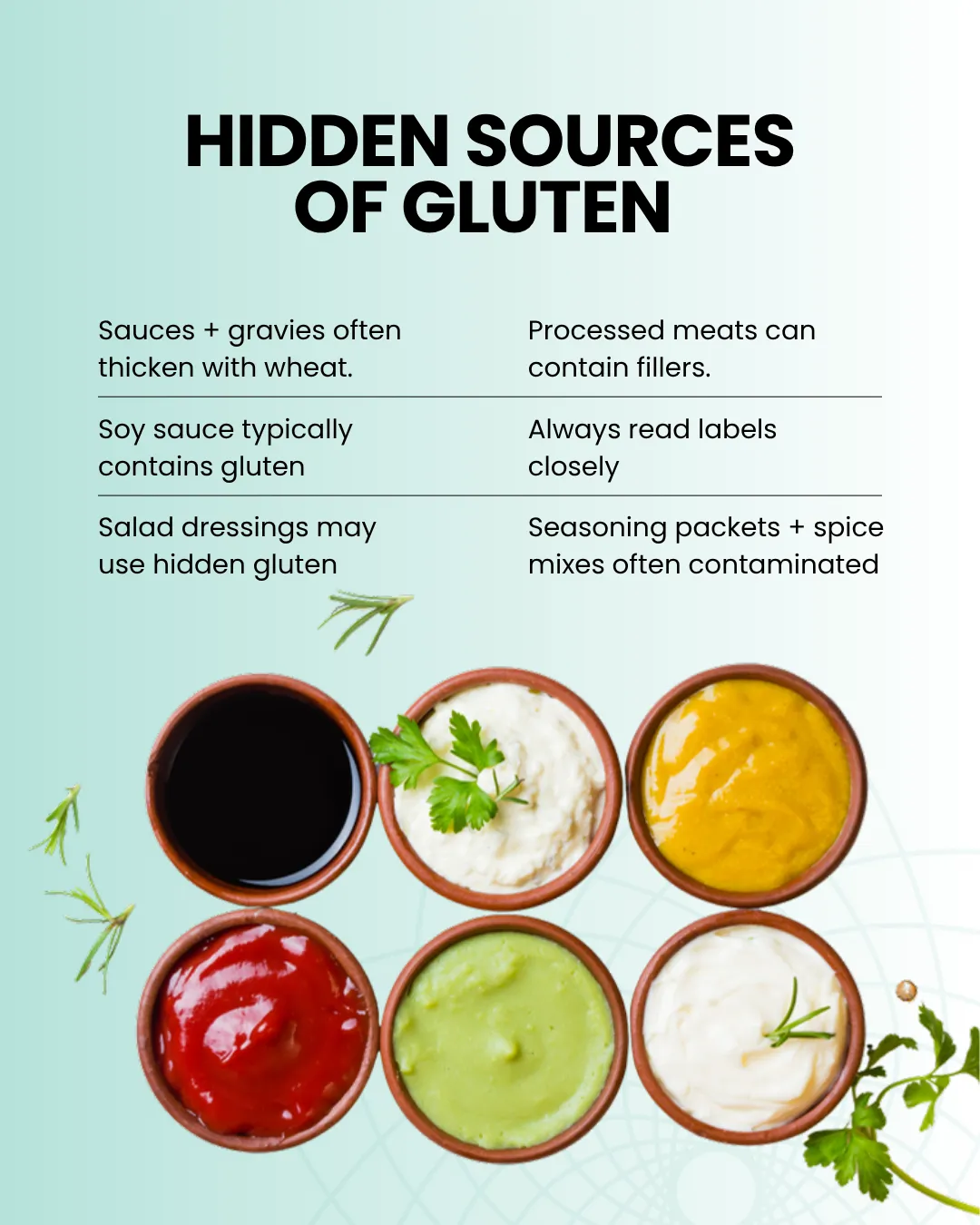
- Sauces and Gravies: Many sauces and gravies use wheat as a thickener. This means your favorite gravy or sauce might be secretly adding gluten to your meal. Always check the labels or opt to make your own gluten-free version at home.
- Soy Sauce: Surprisingly, traditional soy sauce contains gluten. Look for tamari or other gluten-free labeled soy sauces to enjoy your favorite dishes without worry.
- Salad Dressings: Some salad dressings may use gluten-containing ingredients as thickening agents or flavor enhancers. Reading labels and choosing dressings that specify gluten-free is always a wise choice.
- Processed Meats: Some processed meats like sausages and deli meats might contain gluten as fillers or binders. Seek out brands that guarantee gluten-free processing or stick to whole cuts of meat.
- Seasoning Packets and Spice Mixes: These can be tricky as they often contain gluten to prevent clumping. Opting for homemade spice blends can help ensure you’re keeping your meals gluten-free.
Tips for a Gluten-Free Lifestyle
Transitioning to a gluten-free lifestyle may seem challenging at first, but with a few tips, you can make it easier:
- Read Labels Carefully: Always check ingredient labels. Products can change ingredients without warning, so make it a habit to read labels every time you shop.
- Research Brands: Find brands that cater to gluten-free needs. Many brands offer dedicated gluten-free lines, minimizing the risk of cross-contamination.
- Prepare Meals at Home: Cooking your meals ensures you have complete control over what goes into your food. You can also explore gluten-free cooking classes to get more comfortable with preparing gluten-free dishes.
- Educate Yourself: Recognize the terms and symbols that mean a product is gluten-free. Knowledge is power when it comes to managing dietary restrictions.
- Consult Professionals: If you’re struggling with maintaining a gluten-free diet, consulting with a nutritionist or dietitian specializing in gluten-free diets can provide personalized guidance and support.
Why Going Gluten-Free Matters
Understanding the importance of a gluten-free diet can empower you or your loved ones who need to follow it. For individuals with celiac disease, consuming gluten can damage the small intestine. For those with non-celiac gluten sensitivity, eating gluten can lead to uncomfortable symptoms like bloating, joint pain, and fatigue. A gluten-free diet can significantly improve the quality of life for these individuals by alleviating these symptoms.
Furthermore, choosing gluten-free options when necessary ensures that you are supporting overall wellness and health. While many people choose to go gluten-free as a lifestyle choice or to better digest food, those with medical conditions must strictly adhere to it to prevent serious health issues.
Conclusion
The path to a gluten-free lifestyle is filled with choices and awareness. By identifying hidden sources of gluten, reading labels carefully, and making conscious food choices, you can enjoy a diet that supports your well-being. Whether you’re living gluten-free for medical reasons or simply as a dietary preference, knowing where gluten is lurking can make all the difference. Stay informed, stay healthy, and above all, enjoy the journey to a gluten-free life.