Understanding Emotions as Valuable Data
Unlocking the Power of Emotions as Data
Emotions can be confusing, right? Sometimes, we feel happy, and at other times, we might feel sad or angry. But what if we looked at these emotions as valuable data instead of just feelings we experience? This approach can help us understand ourselves better and grow as individuals. Let’s explore how emotions can serve as important signals rather than instructions.
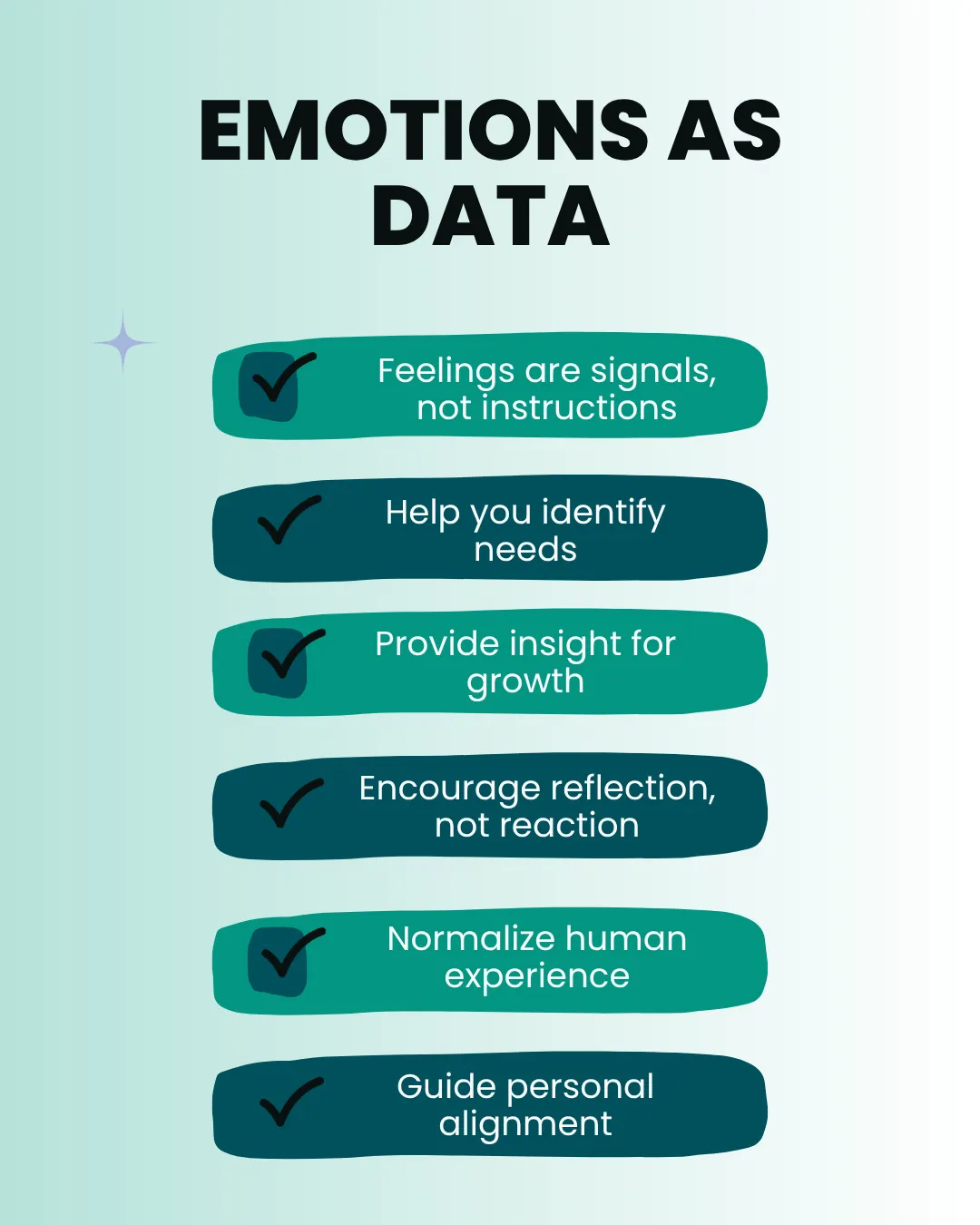
1. Feelings Are Signals, Not Instructions
Think of emotions as a way for our body and mind to send messages. They signal that something needs our attention. For example, feeling anxious before an exam might be a signal to prepare more thoroughly. Understanding emotions as signals allows us to act wisely instead of merely reacting hastily.
2. Helping You Identify Needs
Emotions can tell us a lot about our needs. When you feel hungry, it signals a need for food. Similarly, when you feel lonely, it might signal a need for companionship. By recognizing these signals, we can address our needs more effectively and improve our overall well-being.
3. Providing Insight for Growth
When we take time to reflect on our emotions, they can offer insights into our personal growth. If we understand why we feel a certain way, it becomes easier to learn from those emotions. For instance, anger might be a sign we need to set better boundaries with people. Through this understanding, we can strive to become better versions of ourselves.
4. Encouraging Reflection, Not Reaction
It’s easy to react quickly when emotions run high. But what if we paused and reflected instead? Reflecting on emotions can lead to better decision-making. Taking a moment to think about why we feel a certain way can prevent regrettable actions that may come from reacting too quickly.
5. Normalizing Human Experience
Emotions are a normal part of the human experience. Everyone feels happiness, sadness, anger, and everything in between at various times. Acknowledging that emotions are universal can make it easier for us to connect with others and foster stronger relationships. We’re all in this together!
6. Guiding Personal Alignment
Emotions can also guide us toward aligning with our true selves. By paying attention to what brings joy or what causes discomfort, we can make choices that are more in tune with our authentic selves. This alignment can lead to a more fulfilling and balanced life.
How to Begin Using Emotions as Data
- Journaling: Write about your feelings and try to understand why you feel that way.
- Meditation: Spend some quiet time reflecting on your emotions.
- Therapy: Seek professional help if you struggle to understand your emotions.
- Communication: Talk about your feelings with a trusted friend or family member.
Emotions are powerful allies in our journey to understand ourselves better. By viewing them as data—valuable signals that communicate our needs—we can unlock insights that lead to personal growth and healthier relationships. Next time you feel something, remember it’s not just a passing whim. It’s information waiting for you to interpret and act upon.